New vs. Pre-Owned: Calculating the True Cost of Trailer Ownership Over Five Years
When evaluating a trailer purchase, the sticker price is often the most deceptive figure in the equation. While it represents the immediate capital outflow, it rarely reflects the actual impact on a balance sheet over time.
To determine the true cost of ownership, an operator must look past the initial transaction and forecast expenses over a five-year horizon. This approach, known as Total Cost of Ownership (TCO), reveals the financial reality of choosing between a factory-new unit and a pre-owned one.
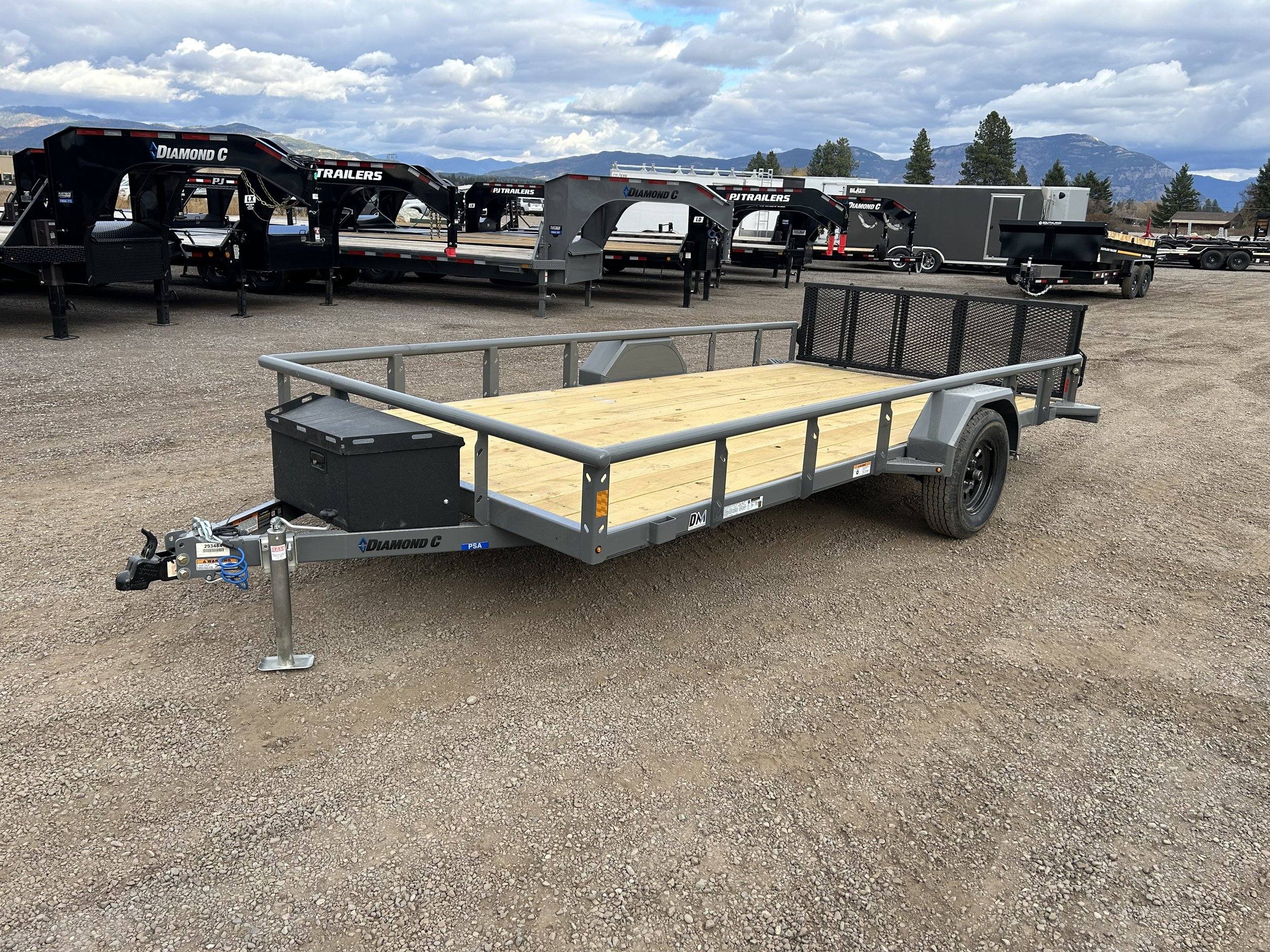
1. The Depreciation Curve
Depreciation is the single largest "hidden" cost of owning any piece of equipment. Like vehicles, trailers experience their most significant drop in value the moment they leave the lot.
New Trailers: In the first 12 to 24 months, a new trailer can lose 15% to 25% of its value. However, high-quality brands often plateau after this initial dip, holding a steady value for several years.
Pre-Owned Trailers: A buyer of a three-year-old trailer has effectively let the first owner pay for that steep depreciation. From year three to year eight, the value decline is much shallower.
The Authority Insight: While the used trailer wins on depreciation, the "savings" are often offset by the lack of a manufacturer’s warranty, which shifts the financial risk of structural or component failure entirely onto the owner.
2. Maintenance and Wear Items
A trailer is a collection of wear points—tires, bearings, brakes, and electrical connections. The cost of maintaining these over five years varies drastically between new and used units.
The New Trailer Profile
For the first three years, maintenance costs on a new trailer are typically limited to preventative measures: grease, inspections, and perhaps one set of tires depending on mileage. The likelihood of a major "catastrophic" repair—such as a failed axle or a hydraulic pump issue—is low, and if it does occur, it is often covered by warranty.
The Pre-Owned Trailer Profile
When purchasing used, you are often inheriting a maintenance "cliff." By year five of a trailer's life (which may be year two of your ownership), several high-cost items usually require replacement:
Tires: Even if the tread looks good, dry rot on a used trailer often necessitates a full set of new tires within 12 months.
Braking Systems: Magnets and shoes on electric brakes typically require service or replacement every few years.
Electrical: Road salts and vibration take a toll on wiring harnesses over time; used trailers frequently require "re-wiring" or light replacement to remain DOT compliant.
3. Reliability and Downtime Costs
In a professional or commercial context, the most expensive trailer is the one that is sitting on the side of the road.
The cost of a breakdown isn't just the repair bill; it's the lost productivity, the potential for damaged cargo, and the logistical headache of a recovery. A new trailer offers a "reliability premium." You are paying more upfront for the statistical probability that the equipment will perform without interruption for the duration of the five-year window.
With a pre-owned unit, an owner must factor in a "Risk Buffer." This is an imaginary (but necessary) line item in your budget to account for the days the trailer is out of service. If your trailer is a tool for your livelihood, three days of downtime can easily eclipse the $2,000 you saved by buying used.
4. Financing and Capital Allocation
The "cost" of money is an often-overlooked factor.
Interest Rates: Financial institutions generally offer lower interest rates on new equipment. Over five years, the difference between a 6% rate on a new unit and a 10% rate on a used unit can add up to thousands of dollars in interest.
Tax Advantages: Depending on your jurisdiction and business structure, Section 179 or accelerated depreciation may allow you to write off the entire purchase price of a new trailer in the first year, providing a significant cash-flow advantage that used equipment might not offer to the same degree.
The Five-Year Verdict
When you aggregate depreciation, maintenance, interest, and the cost of potential downtime, a clear pattern emerges:
The Used Trailer is the superior financial choice for low-mileage, "occasional use" scenarios where the equipment will sit for long periods. In these cases, the lower entry price and slower depreciation outweigh the maintenance risks.
The New Trailer is the superior financial choice for high-utilization, "mission-critical" scenarios. When the equipment is used daily, the reliability, warranty protection, and lower interest rates create a lower TCO despite the higher initial price tag.
By calculating these variables before signing a bill of sale, an owner ensures that their trailer is a performing asset rather than a mounting liability.
Navigating the long-term costs of trailer ownership is easier with an expert partner. For professional guidance on choosing the right equipment for your needs, contact us at Equipment Connection.